24/7 Emergency Response · Arizona
Burst Water Heater Flood Cleanup in Arizona
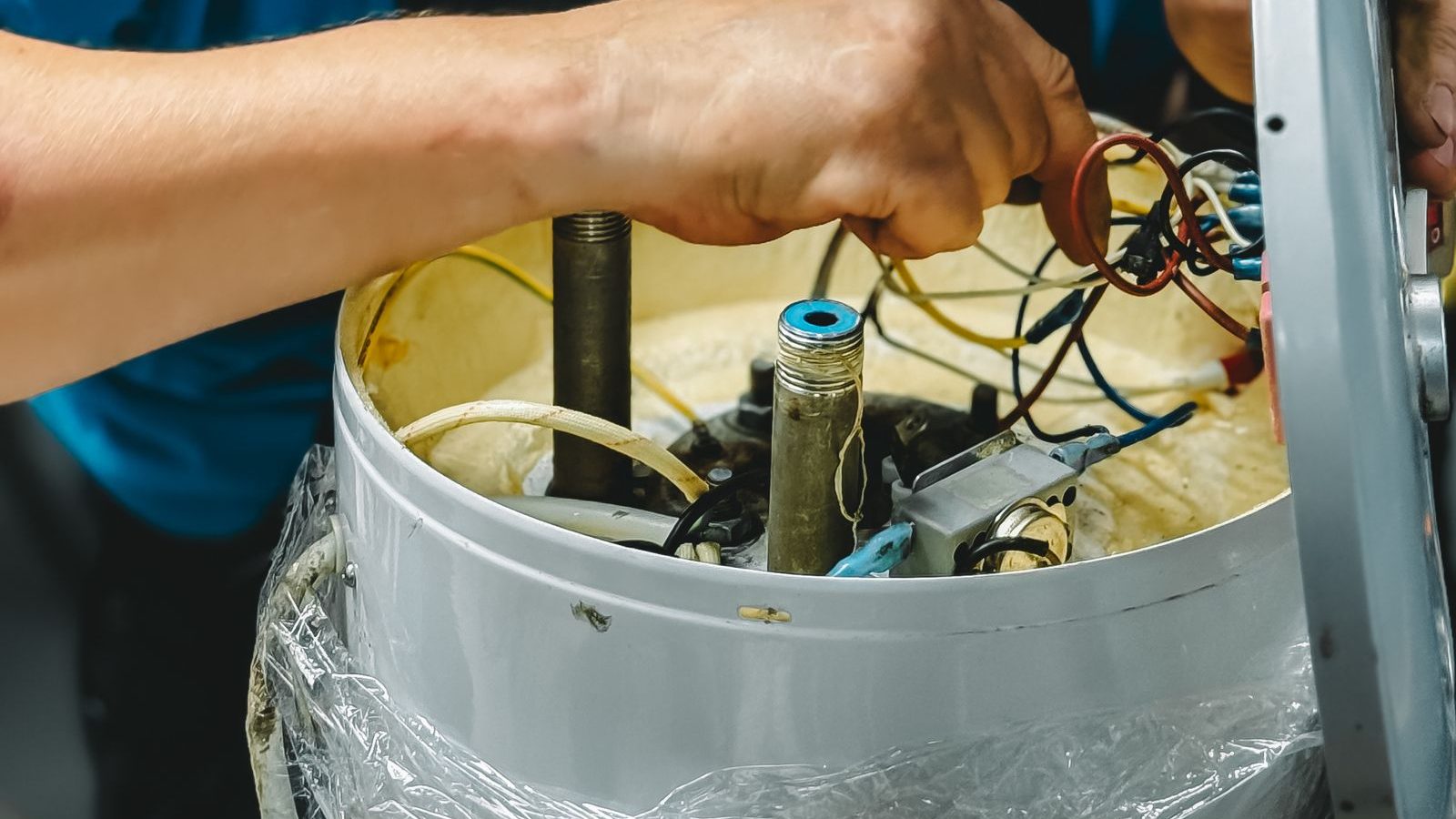
Water heater flood cleanup is the extraction and drying of water from a failed tank, its connections or a tankless unit, including the garage, the wooden stand the heater sits on, the shared wall behind it and the rooms on the other side. In many Arizona homes, a garage tank leak shows up first as wet carpet or LVP in a hallway or bedroom. Call (480) 863-0799, 24/7, to reach a local restoration company.
Call (480) 863-0799, answered 24/7
24-hour emergency response · Serving all of Arizona
At a glance
- Where it goes: under the shared garage wall into kitchens, laundry rooms, hallways and bedrooms
- First move: close the cold-water inlet on top of the tank, then cut power or set gas to off or pilot
- Before the new tank: the stand and firewall should be dried, or rebuilt, first
- Water type: old tank water carries sediment and is often treated as grey water
- Insurance: the tank is usually your expense; the water damage is often covered
Why a Garage Water Heater Floods Arizona Living Rooms
Many Arizona garages have the water heater on a raised wooden stand wrapped in drywall, right against the wall shared with the kitchen, laundry room or a hallway. When the tank splits, the water in the tank plus incoming supply water pours into that hollow stand and the wall cavity behind it, then runs along the slab under the wall plate. The garage floor slopes and dries fast, so the visible clue is often on the house side: wet carpet edges, swollen baseboards or soft drywall at floor level.
First Steps When an Arizona Water Heater Bursts
- 1. Close the cold-water inlet valve on top of the tank. If it's frozen with scale, shut off the main.
- 2. Cut the energy source. Switch off the heater's breaker for an electric unit, or set a gas control to off or pilot.
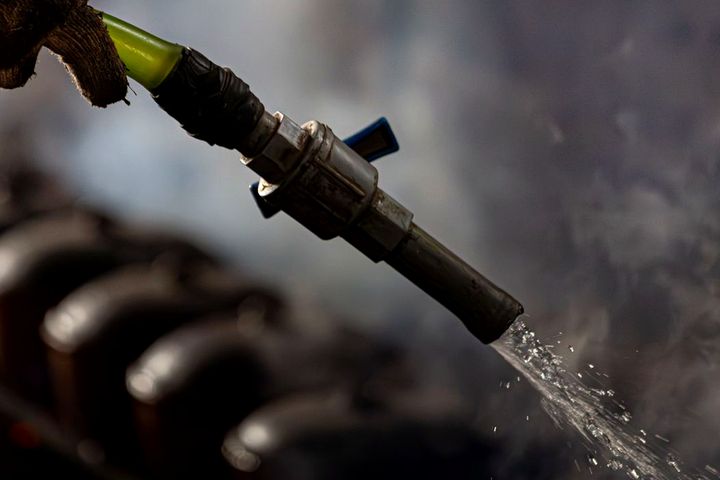
- 3. Drain the rest outside if the tank is leaking inside a closet: attach a garden hose to the drain valve and run it out a door.
- 4. Check the other side of the wall. Feel baseboards, carpet edges and cabinets in the rooms behind the heater.
- 5. Don't set a new tank on a wet stand. It traps moisture in the framing.
Why Water Heaters Fail Early in Arizona
- Sediment: hard water drops calcium and magnesium to the bottom of the tank as it's heated. In gas units, the burner has to heat through that layer, which stresses the tank bottom.
- Anode wear: the sacrificial anode rod that protects the tank gets used up faster in mineral-heavy or softened water. Once it's gone, corrosion goes after the fittings and seams.
- Clogged pan drains: rust flakes and scale can block the drain line, and some older installs have no pan drain at all.
Water Heater Flood Patterns by Location in Arizona Homes
- Garage, on a raised stand: water soaks the hollow stand and passes through the firewall into the house.
- Hall or laundry closet: the pan overflows across hallway carpet, LVP and bedroom baseboards.
- Attic or upstairs: water soaks attic insulation and can bring down ceiling drywall below.
- Exterior utility closet: water runs under the door threshold into the slab and the exterior wall.
- Tankless unit: a scaled heat exchanger or relief valve can spray inside the wall cavity where it's mounted.
Drying the Garage Stand, Firewall and Rooms Beyond in Arizona Homes
- The stand: the drywall wrap is opened, sludge is removed, framing is cleaned and dried, or the stand is rebuilt if it's soft.
- The firewall: wet drywall on the shared wall is dried through hidden holes or cut out, and replaced with fire-rated drywall where required.
- The house side: a thermal camera traces the water under the wall into hallways, bedrooms and cabinets. Water is extracted from under flooring, and dry air is pushed behind baseboards and into cabinet toe-kicks.
See structural drying and dehumidification and kitchen cabinet and wall cavity drying.
Before the New Tank Goes In: Coordinating With Your Arizona Plumber
While the plumber sources a replacement, the restoration crew can extract water, open the wet stand and start drying. Once the stand and wall read dry, or the stand is rebuilt, the new tank can be set and strapped in place. This avoids sealing wet wood behind a heavy tank, which is how rot and mold start inside garage walls.
Water Heater Floods and Arizona Homeowners Insurance
Most homeowners policies treat the worn-out tank as maintenance, so the new heater is usually the homeowner's expense. The water damage it caused, including extraction, drying the stand and walls, replacing wet insulation, and drying or replacing damaged flooring, is often covered above the deductible. Photos of the failed tank and moisture readings from the first visit help. See the slab leak insurance and pricing guide.
Water Heater Flood Questions From Arizona Homeowners
Does homeowners insurance cover a burst water heater in the garage?
Most policies don't pay for the new water heater, which is treated as wear and tear. Many do cover the water damage it caused, such as extraction, drying the stand and shared wall, and repairing floors and cabinets, above your deductible.
My water heater is in the garage. Why is the hallway carpet wet?
In many Arizona homes, the water heater stand sits against the bottom plate of an interior wall. Water runs under that wall and spreads beneath the flooring on the other side, often without pooling much on the sloped garage floor.
Should the new water heater go in right away if the stand is wet?
It's better to wait until the stand and wall behind it are dried. Once a heavy new tank is strapped in place, nobody can reach the wet wood and insulation behind it, which can lead to rot and hidden mold.
Is water from a burst water heater clean?
Water from the supply side starts clean, but the water inside an old tank carries rust, sediment and bacteria. Once it soaks into porous materials, it's often treated as grey water that needs an antimicrobial and professional drying.
Why didn't the drain pan stop the flood?
Drain pans are built to catch drips. Scale and rust flakes can clog the pan drain, some pans have no drain line at all, and a split tank under full house pressure overflows a pan within minutes.
How often should an Arizona water heater be flushed?
Many manufacturers suggest draining a few gallons or flushing the tank about once a year, and hard water areas can benefit from doing it more often. Your heater's manual has the specific schedule.
More Arizona Water Heater and Leak Help
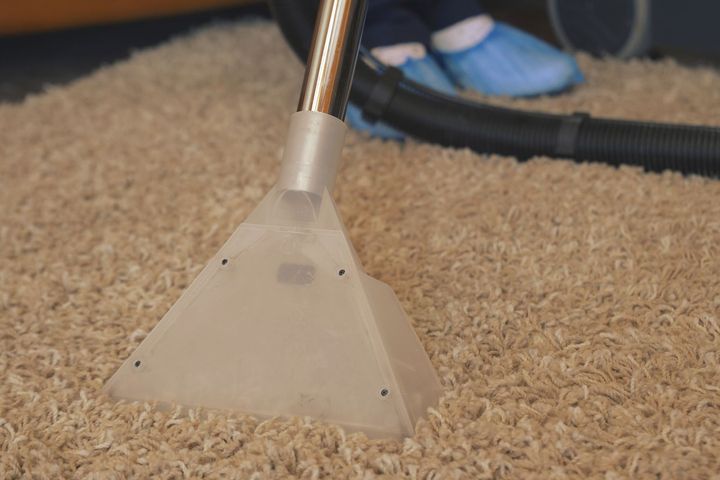
Wet carpet and pad extraction
Wet carpet and pad extraction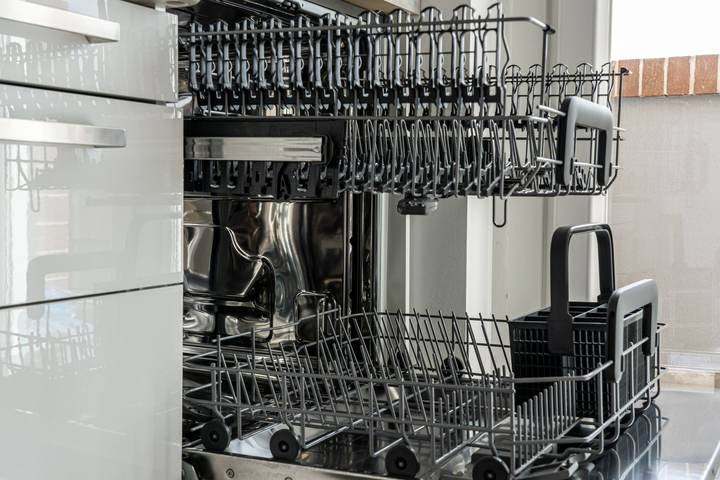
Appliance, RO and water softener leak cleanup
Appliance, RO and water softener leak cleanup
Under-slab leak cleanup
Under-slab leak cleanup
Arizona slab leak cleanup home
Arizona slab leak cleanup homeWater Heater Flood in Your Arizona Home? Call Now
Close the cold-water inlet, then call Arizona Slab Leak Cleanup at (480) 863-0799, 24/7, to reach an independent local restoration company. There's no charge to call.
Call (480) 863-0799, answered 24/7